
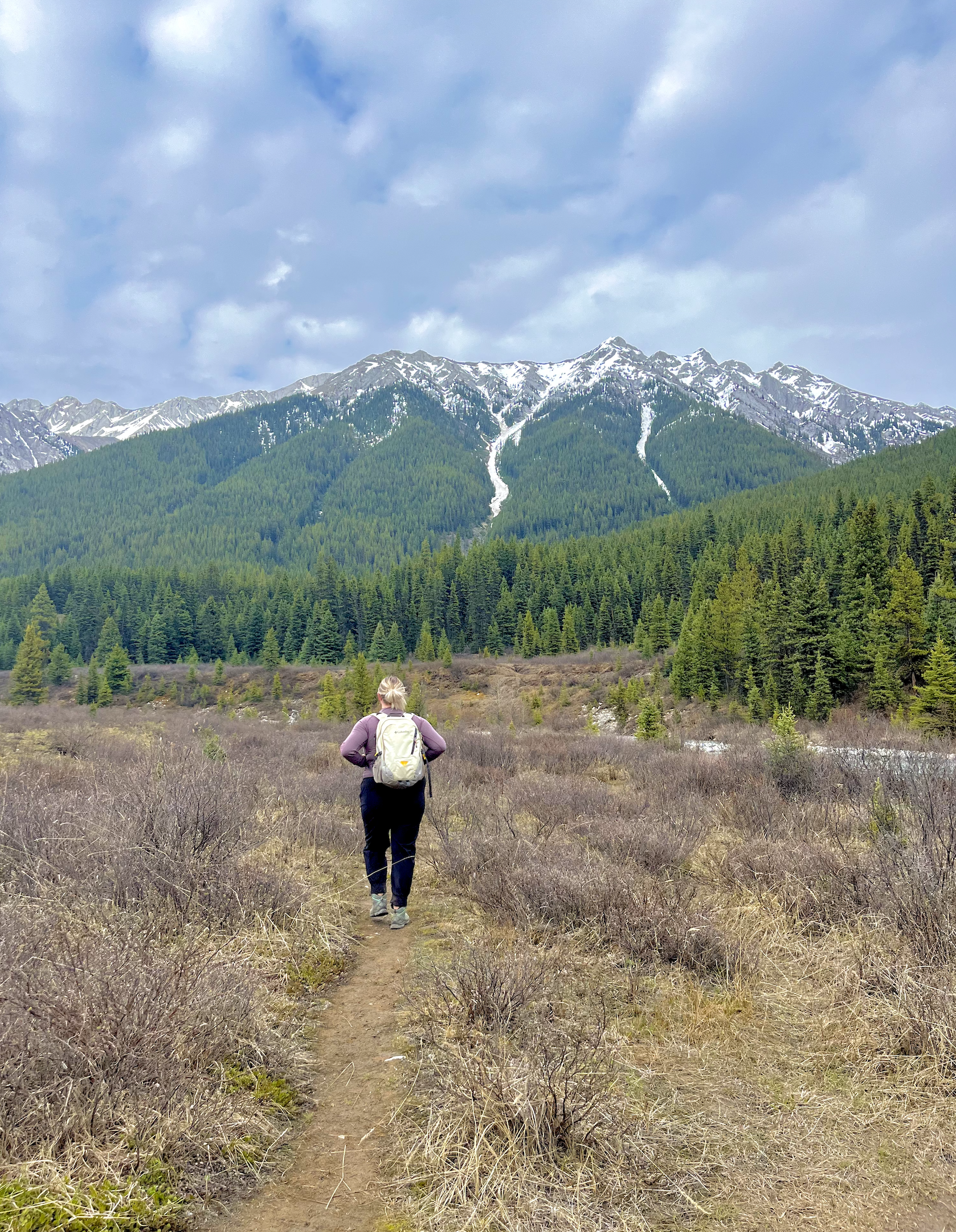
People are always surprised to learn how close serious outdoor adventure is to Washington DC. Within 90 minutes of Alexandria, you have Shenandoah National Park, the Appalachian Trail, the Blue Ridge Mountains, and hundreds of miles of trails across Virginia, Maryland, and DC itself. Within 30 minutes, you have Great Falls, the C&O Canal, and multiple county parks with quiet, beautiful trail systems.
The hardest part of getting into hiking is not the terrain. It is knowing where to start.
This guide is for people who are curious about day hiking but do not know what they need to know yet. I will cover gear, trail selection, what to expect on your first hike, and how to find trails near DC that match your current fitness level.
What Do I Need for a Day Hike?
You do not need much to start. Here is what I recommend for any beginner day hike in the Northern Virginia and DC area:
Footwear: Trail runners or hiking boots with ankle support. You do not need technical mountaineering boots for most regional trails. What you do need is something with grip. Road sneakers on a wet, rocky trail are a recipe for a bad day.
Water: Bring more than you think you need. A minimum of two liters for a half-day hike. In summer, start with three. Dehydration is the single most common reason people cut hikes short.
Snacks: Your body burns through energy faster outside than you expect. Pack real food: trail mix, energy bars, a sandwich, a piece of fruit.
Rain layer: The weather in Virginia and Maryland can shift fast, especially in the mountains. A lightweight packable rain jacket takes up almost no space and can save a trip.
Navigation: I love AllTrails for trail research and basic navigation. Download the map offline before you leave, because cell service disappears in a lot of our best spots.
Which Trails Are Good for Beginners Near DC?
Huntley Meadows Park, Alexandria, VA (1 to 3 miles, flat): My top recommendation for first-timers. Wetlands, boardwalks, incredible birdwatching. Easy footing. You will almost certainly see a great blue heron.
Great Falls Park, McLean, VA (2 to 4 miles, easy to moderate): The views of the Potomac are genuinely dramatic. Stay on the marked trails and away from the cliff edges. The River Trail along the Virginia shore is a solid beginner option.
Riverbend Park, Great Falls, VA (2 to 5 miles, easy): Quieter than Great Falls Park next door. Forested, peaceful, and great for wildlife spotting.
Dark Hollow Falls, Shenandoah NP (1.4 miles, moderate): One of the most rewarding short hikes in the park. A beautiful waterfall less than a mile from the trailhead. Steep on the return, but very doable.
Old Rag Mountain, Shenandoah, VA (9 miles, strenuous): I include this one not as a beginner trail, but as an honest heads-up. Old Rag involves real rock scrambling and significant elevation. Work up to it.
What Should I Know Before My First Hike?
A few things I wish someone had told me early on:
The turnaround time matters as much as the trailhead. Tell someone where you are going and when you expect to be back. If you get tired or the weather changes, turn around. The trail will be there next weekend.
Yield to uphill hikers. Step aside, let them pass. It is trail etiquette that most people do not know until someone tells them.
Ticks are present on most Virginia and Maryland trails from March through November. Do a full-body tick check when you get back to the car. This takes two minutes and is genuinely important.
Wildlife encounters are almost always a positive experience if you know how to respond. Give animals space. Do not feed anything. Make noise on wooded trails so you do not surprise a black bear.
Should I Hire a Guide?
A guide is not required for hiking. But for your first few trips, a good guide gives you something Google cannot: real-time decision making, safety support, and the ecological context that turns a walk in the woods into an actual learning experience.
At Urban Detour Adventures, I designed our guided day hikes to do exactly that. You get the trail, the views, and the experience, plus the environmental science behind what you are looking at. What is that tree? Why does this stream run the way it does? What made these rock formations? That context is the difference between a workout and a genuine connection to a place.
If you are ready to get started, check out our upcoming guided trips throughout the DMV and Shenandoah region.
The first step is just showing up. We will handle the rest.